Public city chargers are not the answer for most electric and plug-in hybrid owners in South Africa
While South Africa also has many people living in apartments and flats, locals living in these properties generally have one thing that many in Europe or the United Kingdom don't have: a parking bay.
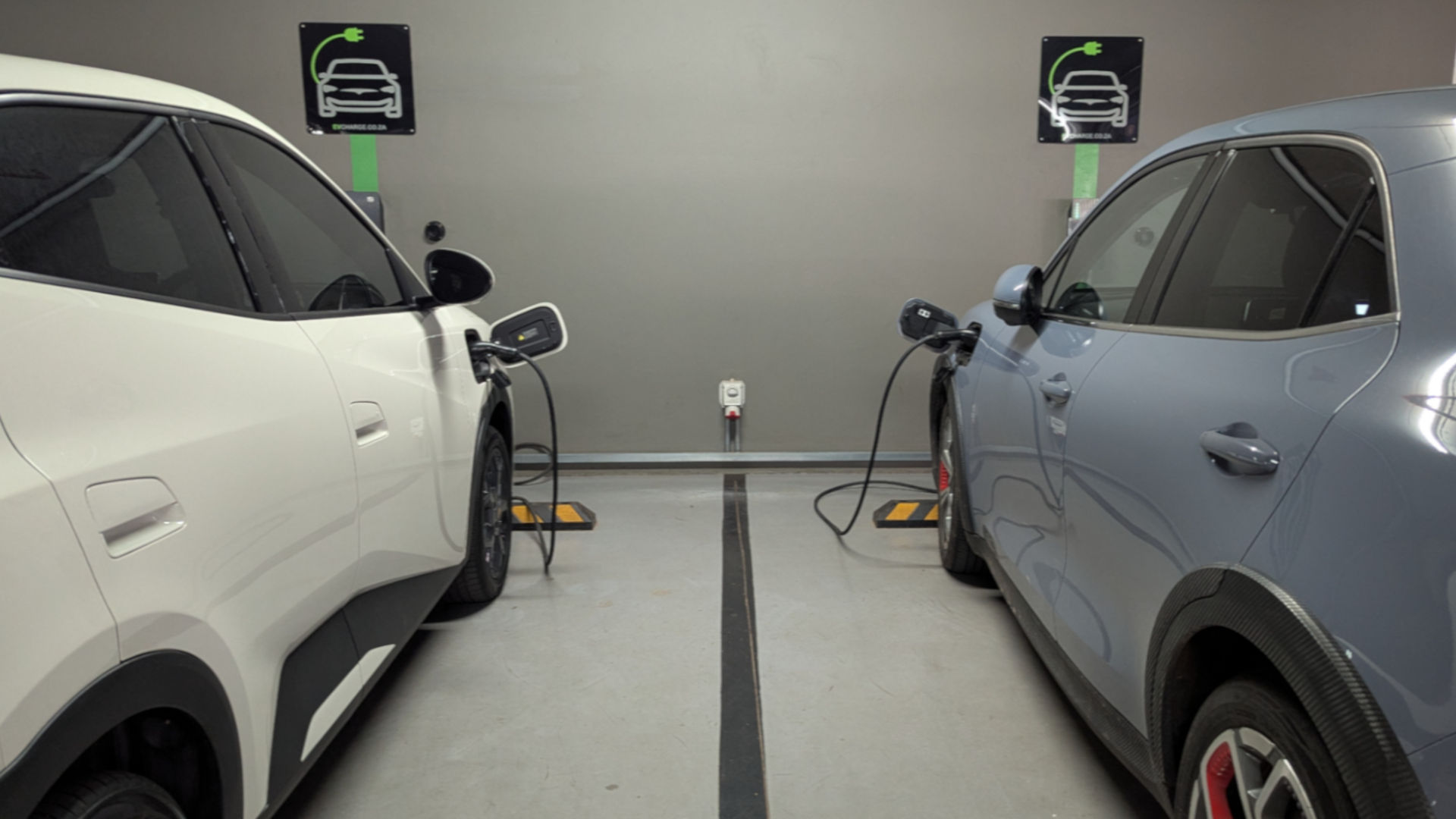
South Africa's home electric vehicle charging landscape stands out from many other countries where the technology has been adopted at scale in one key area: parking availability.
Many South Africans have freestanding houses with their own driveways and garages offering easy access to an electrical socket or a distribution board.
The convenience of overnight charging and lower running costs using residential electricity tariffs make EVs even more attractive.
However, as highlighted by Autotrader South Africa CEO George Mienie in July 2026, a substantial proportion of the population lives in complexes, apartments, and other multi-dwelling properties.
Mienie argued this meant there would still be demand for public charging facilities for those unable to charge at home.
It's easy to come to that conclusion, given the approach in Europe, where vast urban public charging infrastructure, including street-side charging, is playing a fundamental role in the e-mobility transition.
But a copy-paste blueprint for local charger deployments would ignore one major difference between Europe and South Africa: Most local multi-dwelling properties have at least one dedicated parking bay.
The Parking Bay Advantage
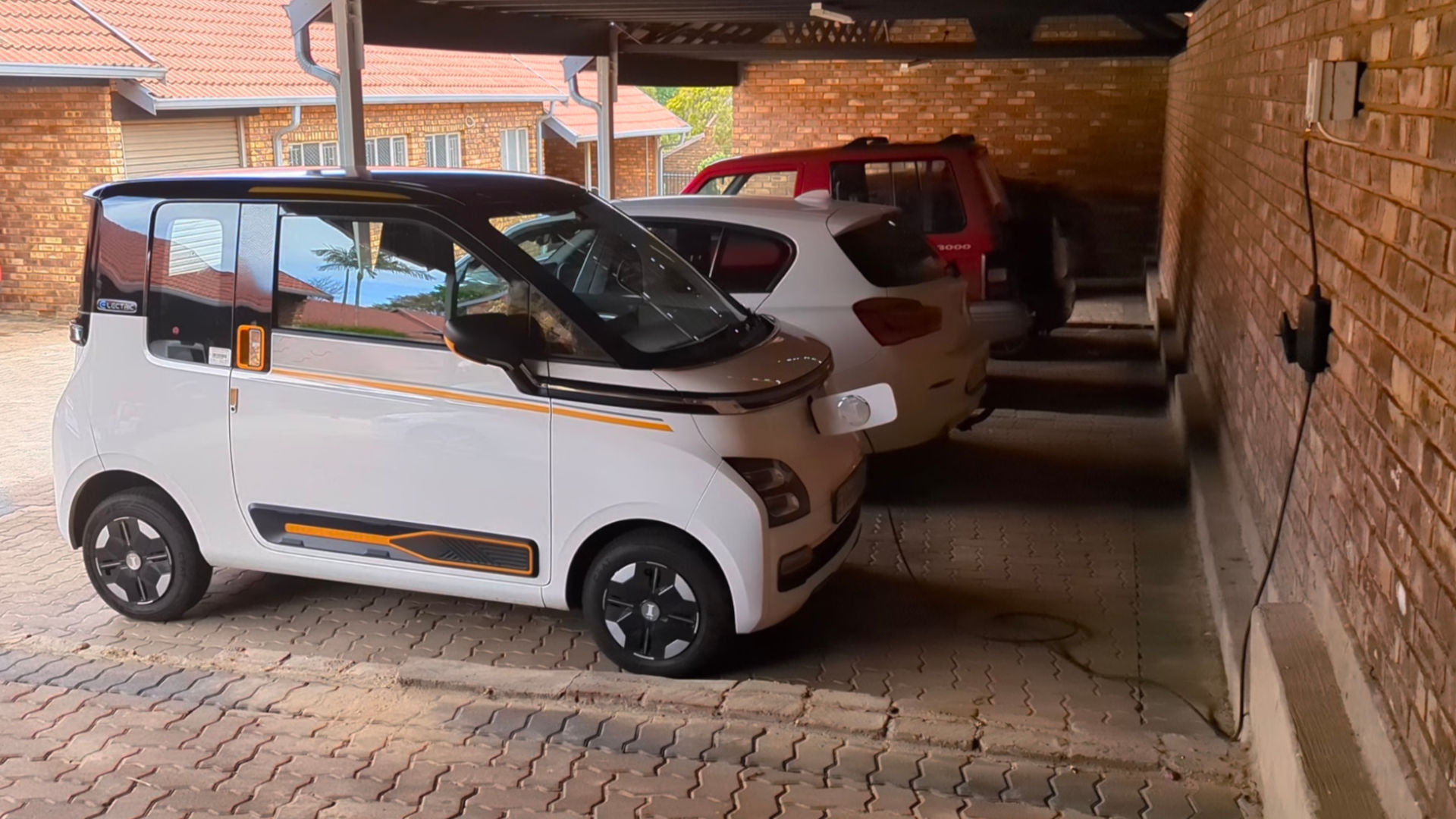
A large part of South Africa's employed population relies heavily on personal transport rather than public transport for commuting between home and work.
Property developers are keenly aware that dedicated parking bays are an absolute must if they plan to attract desirable owners and tenants.
However, that does not mean that these properties must just let any person install whatever charger they want.
There are very valid concerns that property managers, Body Corporates, and Homeowners Associations need to address in these environments, including:
- Billing in multi-user environments, where postpaid may be more desired than prepaid, and you don't want people consuming energy on others' accounts.
- Parking bay positioning and proximity to users' units, which could lead to disruptive and unnecessary infrastructure upgrades.
- Power limits that could result in multiple chargers tripping or overloading a property's power supply.
Where public charging is still important
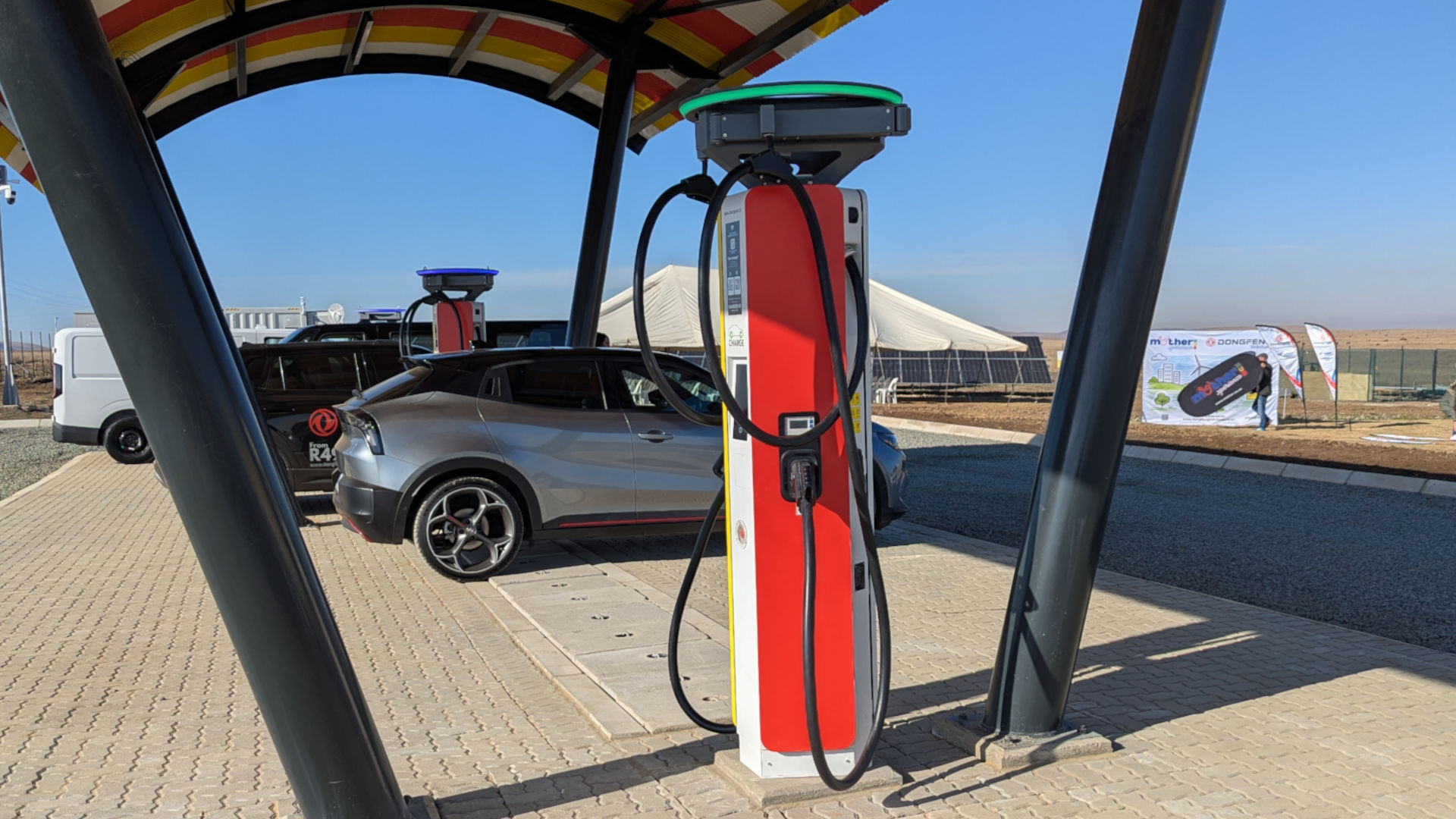
Public charging still has a major role to play in enabling long-distance transport for EV users, but drivers don't need to pay substantially higher fees for public charging within cities and towns than they would at home.
This will also force businesses that want to offer EV charging as an additional revenue stream to make their tariffs more attractive.
Given Eskom's seemingly unstoppable "death spiral" price problem, that will likely only be possible with substantial investments into cost-effective self-generation like solar power.
Once EV and plug-in drivers become more price-savvy in South Africa, which is likely to happen based on trends elsewhere, businesses offering low-cost or free charging will be the only ones seeing any meaningful usage of their infrastructure within cities and towns,
For those Body Corporates and Homeowners Associations looking for an affordable end-to-end EV charging solution for their properties, Conduit Energy's ChargeSplit product is the optimal solution.