Four EV chargers, one tricky supply: How Conduit kept the cars charging at KragDag 2026
The temporary supply at KragDag 2026 was out of specification before we drew a single amp. The cars charged anyway: 33 sessions, 80.26 kWh, and a Saturday afternoon with all four bays running at once.
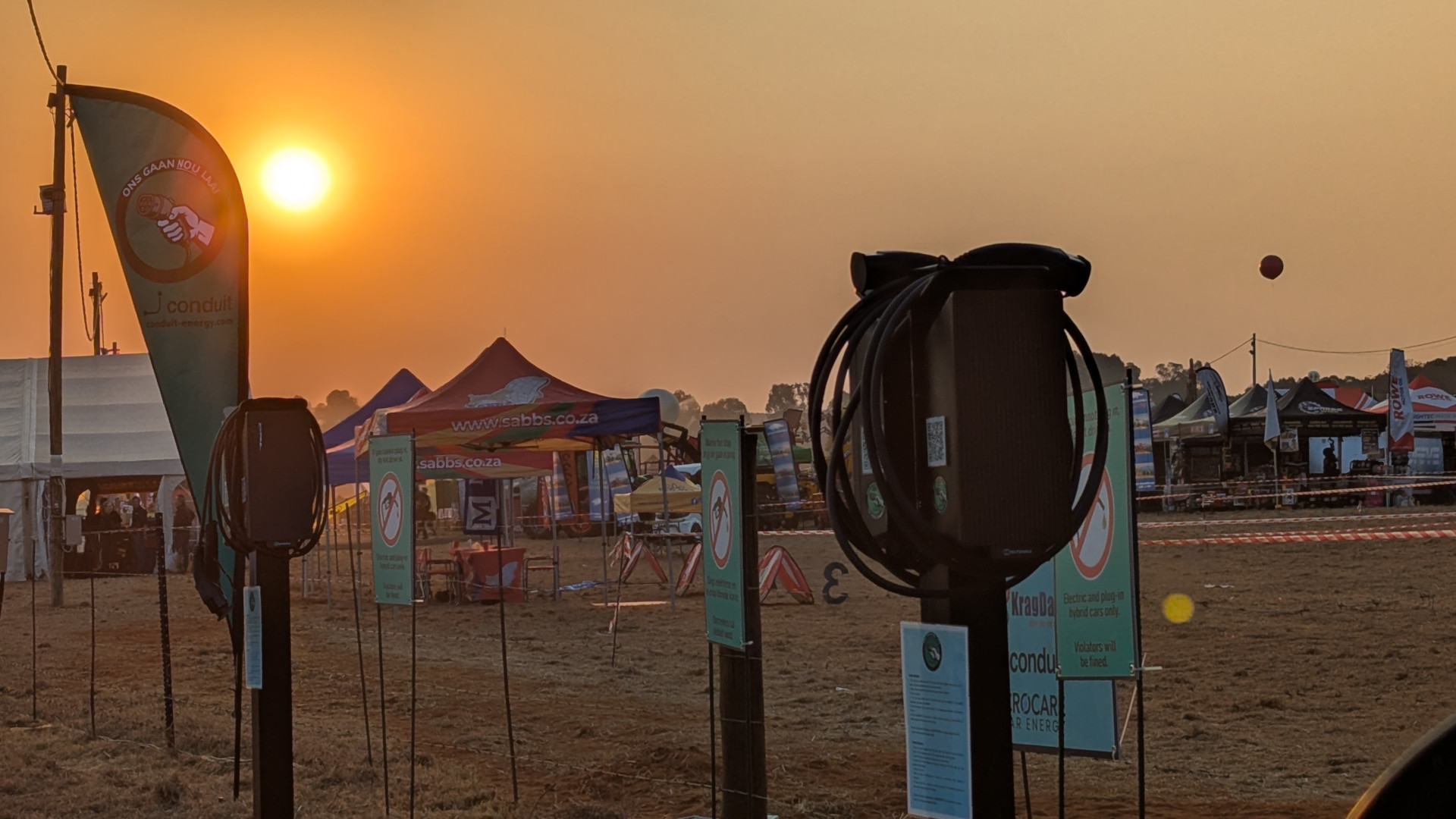
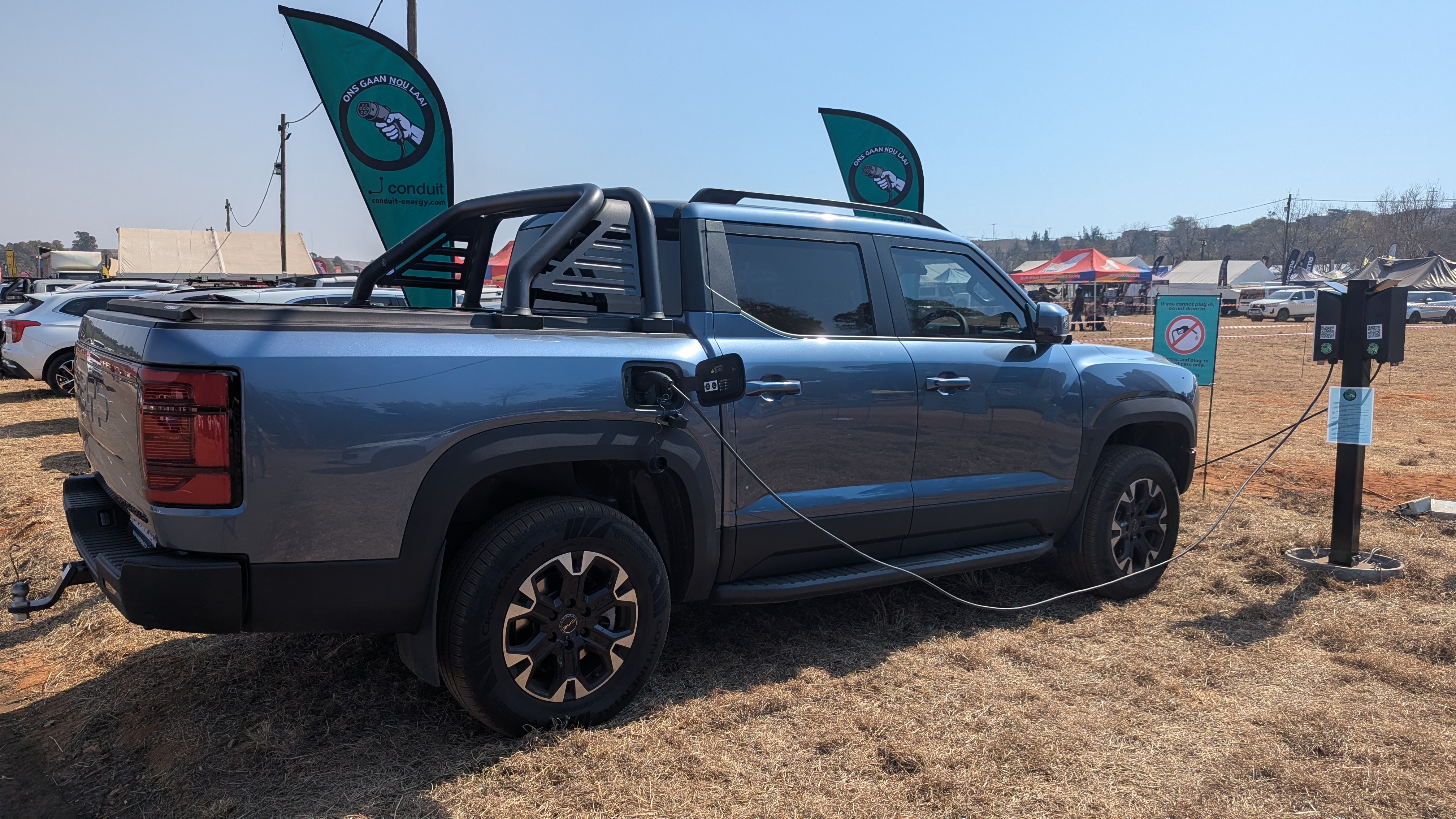
In August 2026, Conduit ran four EV chargers over three days at KragDag, an agricultural and lifestyle expo outside Pretoria focused on self-reliance.
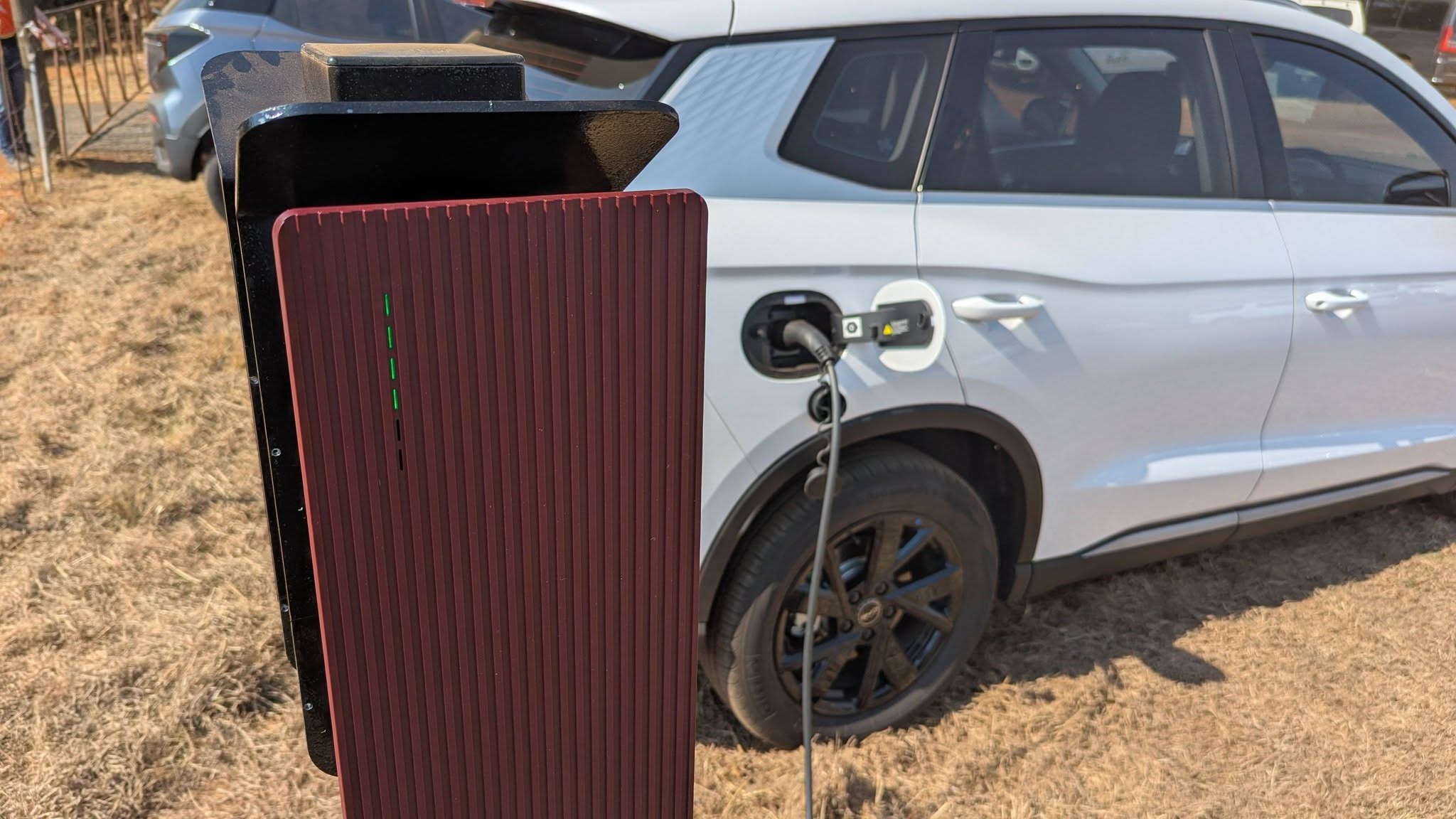
Drivers parked in a field, tapped their phone on an NFC reader or scanned a QR code on the charger, and topped up for free while they walked the show.
There was just one problem: the temporary supply feeding those chargers had a fluctuating voltage which remained out of specification for much of the expo.
The cars charged anyway. This is the field report of Conduit's experience, with the production data behind it.
The situation on the ground
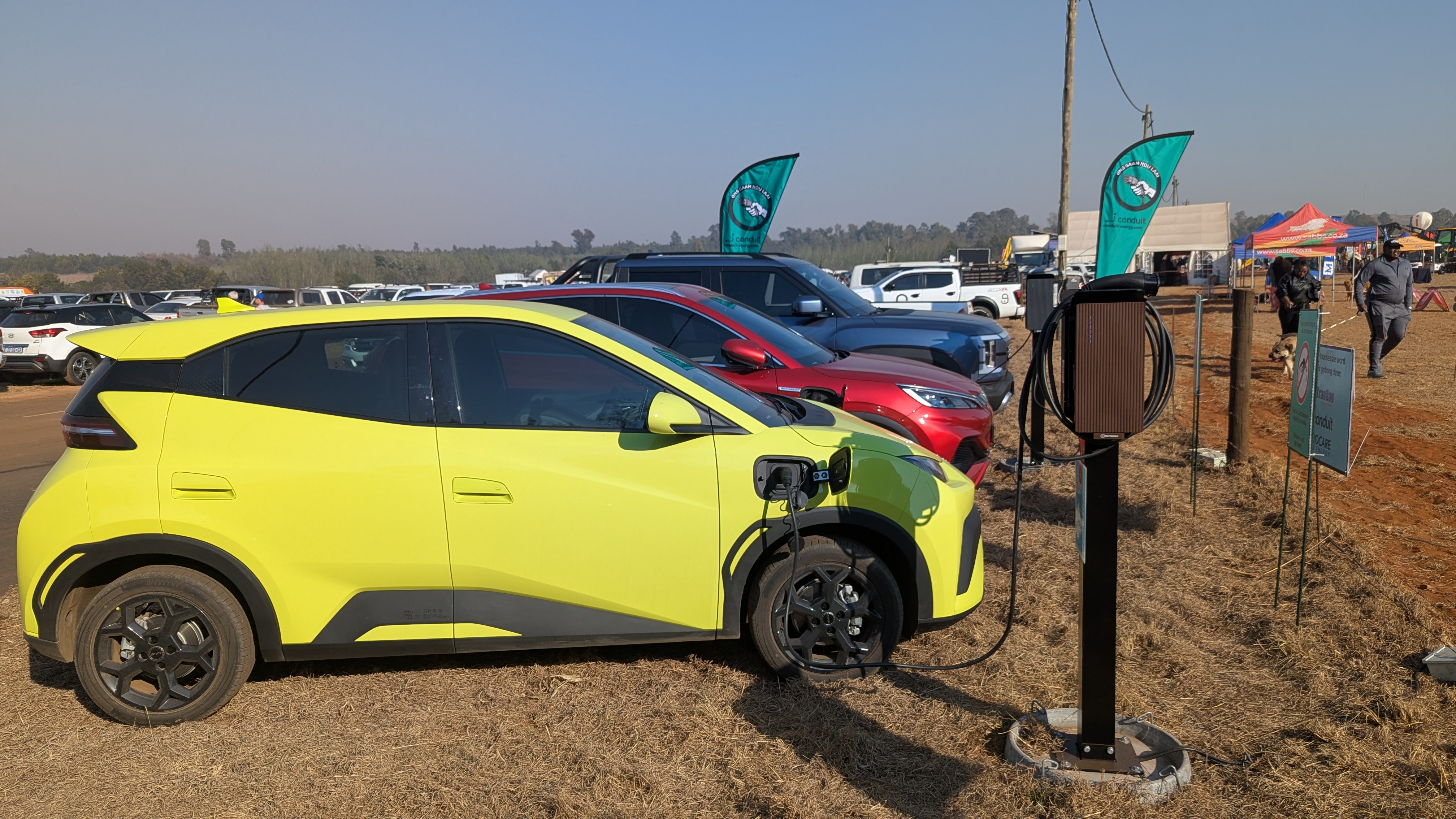
We deployed four Teltonika TeltoCharge EVC2 chargers, two with peak outputs of 7.4kW and two with 22kW, for use by the expo's attendees.
Due to the short notice at which we made our proposal to supply the charging station to the KragDag team, we were only able to secure a distribution box with a combined 63 amps (63A) of current.
The point had a set of four sockets, each connected to a circuit breaker rated for at least 25A.
Rather than integrating the chargers into the DC directly, we hooked them all up with their own regular South African 3-prong plug, which we plugged into the sockets.
We connected the chargers to the Conduit ChargeSplit backend with load management to limit their current draws below 16A, which is the maximum draw supported on a regular socket in South Africa
The problems begin
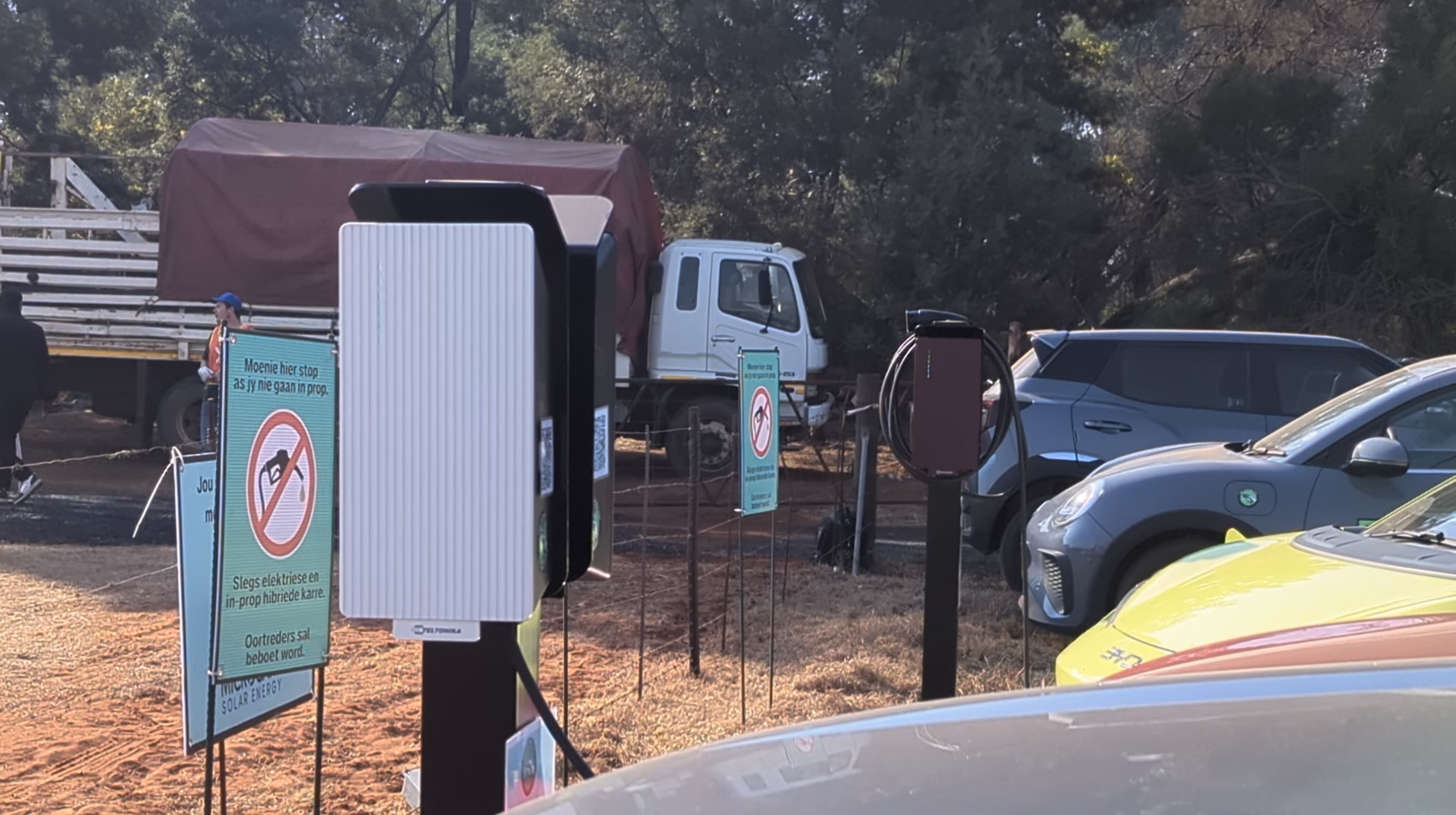
South Africa's nominal mains voltage is 230 volts (230V), with a legal band of 207V to 253V.
Conduit's ChargeSplit software reads per-phase voltage from every charger every 15 seconds.
Within the first hour of charging on the first day of the expo, our telemetry had already shown there was a problem.
Every cable has resistance. Push current through it, and the voltage at the far end drops.
We plotted the voltage the chargers measured against the current the site was drawing at that moment, over 287 aligned samples.
The points fell on a straight line:
volts at the bay = 209.4 − 0.284 × amps the site is drawingThat line offered two separate facts about the feed.
209.4V was where the feed started.
This was the voltage with everything unplugged and nothing drawing.
A healthy South African feed sits near 230V at rest. This one was 20V low before a single car arrived, and only 2V above the legal floor.
0.284V was the price of every amp.
For each amp the site drew, the voltage at the bays fell a further 0.284 V.
That figure is the resistance of everything between the transformer and the parking bays, measured in ohms.
On a sound installation, it is a small fraction of this.
Put the two together and the feed became completely predictable:
- 8A drawn, which is one car barely started and the voltage will drop to 207V, exactly the legal floor
- 16A, one car charging normally: 205V
- 30A, three cars sharing: 201V
- 63A, the rating the supply was sold at: 191V
The site fell out of the legal band at about 8A, which is less than the full current one car could draw from the plug without load balancing.
Had the entire 63A been available, the bays would have sat at 191V, which no charger on the market would accept.
The supply could not do its own nameplate, and the arithmetic said so before lunch on the first day.
The chargers reached the same conclusion on their own. Across the two days, the four units raised 163 "Voltage Input fail" events and 38 "Output current warning" events. All four reported the same faults at the same times.
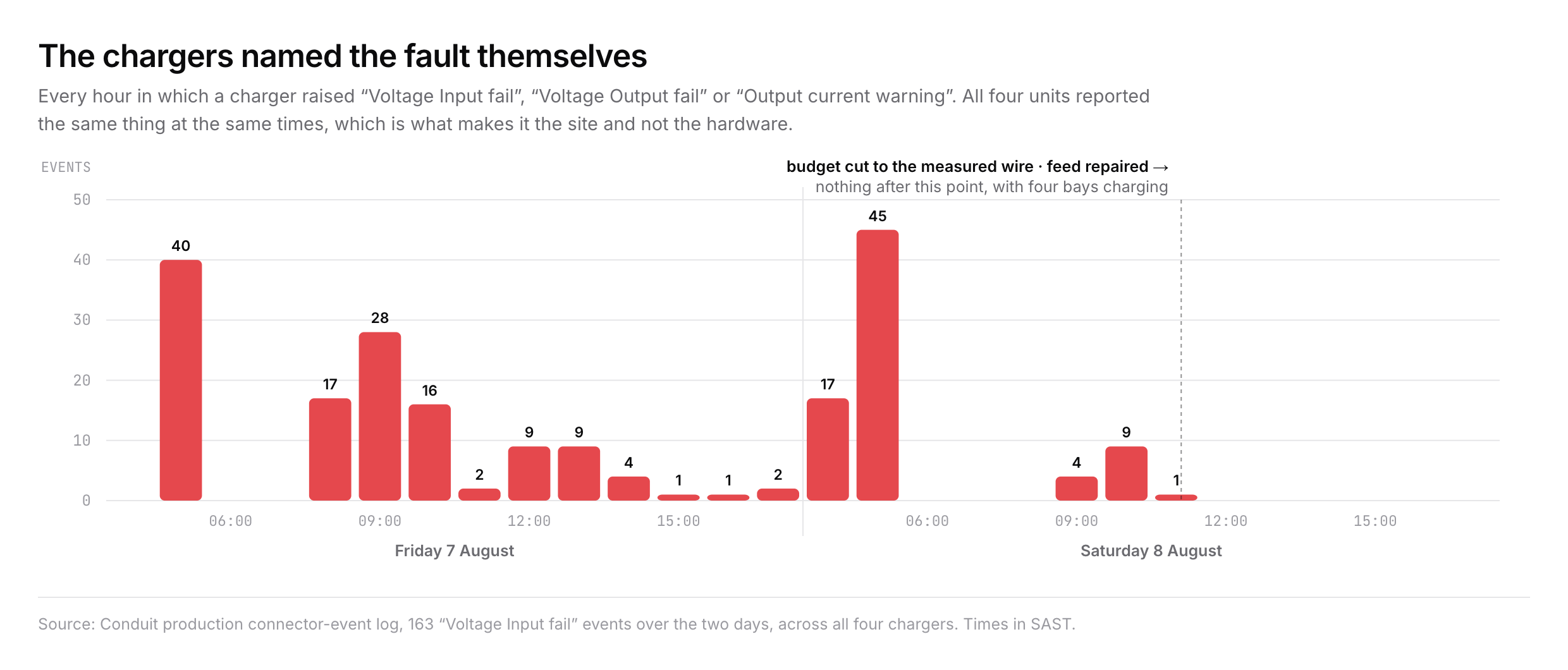
A failing charger faults alone. A failing supply faults everything at once.
Because ChargeSplit logged every connector event against every unit, the pattern was visible in seconds rather than after a week of call-outs.
This is what a charging operator actually needs. The conversation stops being "your chargers keep tripping" and becomes "your supply is 20V low at no load and 0.284 ohm stiff, here is the measured proof."
This information performs the diagnostics for the electrician, long before he arrives on site. In Conduit's case, an electrician was not needed.
Adapting on the go
The site was commissioned at its nameplate rating of 63A per phase with a 3A safety margin.
The measurements said the wire gave up nearer to 33A.
Conduit could adjust this remotely as the data came through and corrected it from our dashboard while the event was running.
The new figure reached all four chargers in seconds. No session ended. No driver noticed.
That left a 30A budget. Three cars could hold 10A each, and a fourth car forced the site to share rather than to trip.
The general lesson for any property is short:
A charging budget taken from a breaker rating is a guess. A charging budget taken from a measurement is protection.
Your platform must let you change it in the field, on a live site, without a deployment.
At 13:00 on the Saturday, all four bays were charging at the same time, on a feed that had been faulting all morning.
The chart below shows the real power allocations to each charger, sampled every 16 seconds from production.
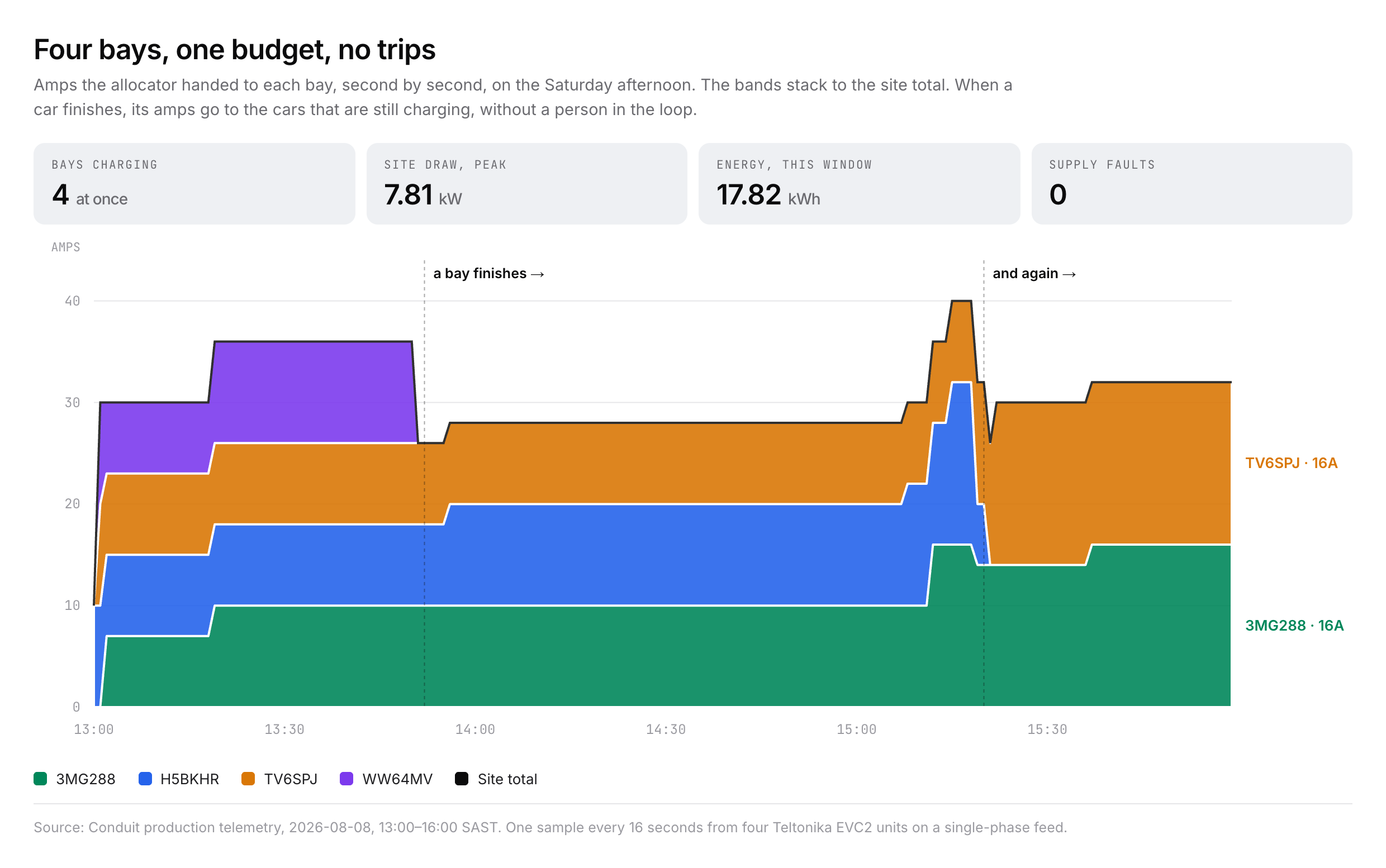
Read it from the left. Four cars share 30A as 7A, 8A, 8A and 7A. Nobody queues. Nobody trips the site.
The site peaked at 7.81kW and delivered 17.82kWh in that window, with zero supply faults recorded for the rest of the day.
Then watch the two dashed lines. A car finishes and unplugs. Within seconds, its amps move to the cars that are still charging, and the remaining bays step up on their own. Nobody phoned an operator, nobody had to move their car.
That is the commercial argument for load management in one picture. It is how a Body Corporate or other property manager adds numerous chargers to a supply that was only meant for one or a few.
The alternative is a fixed share per bay, which wastes the supply every time a bay is empty, or full power per bay, which trips the main breaker.
ChargeSplit does not report "a bay stopped". It classifies the stop first, then reports it at the severity that matches.
Across the last two days of the expo, the chargers had recorded the following:
- 33 charging sessions across the two show days
- 80.26 kWh delivered
- 19 sessions and 42.42 kWh on Friday, 14 sessions and 37.84 kWh on Saturday.
Energy measurement not impacted
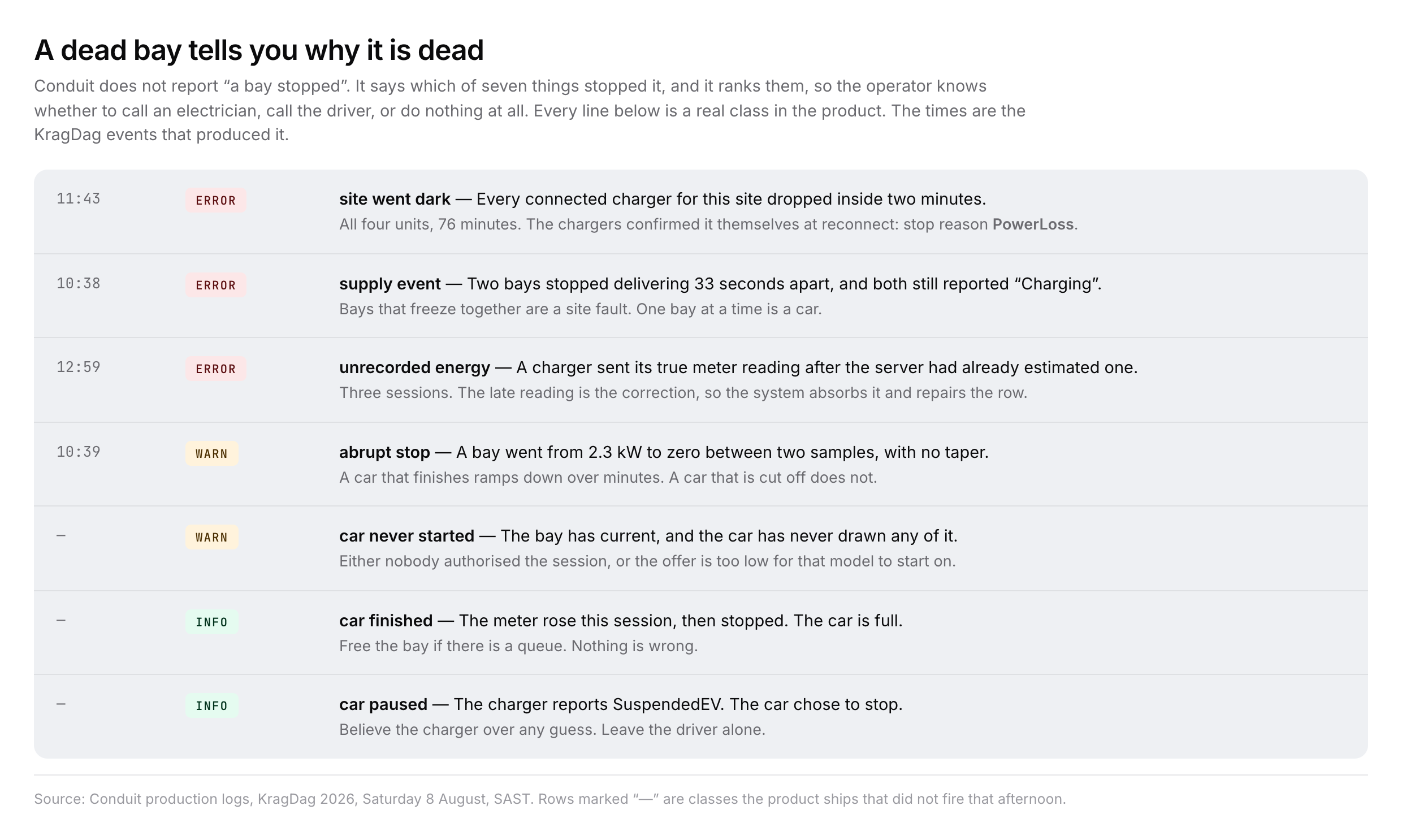
At one point on Saturday, the site lost power completely for 76 minutes.
Four separate disconnections are four quiet log lines that nobody would correlate.
ChargeSplit raised one error instead: every charger for this site has gone offline.
The chargers confirmed it themselves at reconnect, with a stop reason of PowerLoss.
When power returned, each charger delivered its true final meter reading a moment after our server had already estimated one from the last data it held.
ChargeSplit treats the late reading as the correction rather than an orphan.
The software repaired the records with the real end times and the real energy.
Every session at KragDag was free, so no revenue turned on it that day.
On a site where drivers pay per kilowatt-hour, that is the difference between billing the meter and billing a guess.
Shipping an update during the charge
Recovery was equally undramatic. A stalled bay was restarted entirely from a laptop: stop the transaction, soft reset the unit, then replay the driver's own walk-up session.
The driver got a message at each step. One car was charging again at 2.08kW forty minutes after being cut off, with nobody standing at the charger.
Late on the Saturday, we rolled out a software update with all four bays in use.
The chargers dropped their connections for about three seconds and came straight back.
Every session rehydrated. Nothing was orphaned, no energy went unrecorded, and no driver had to re-scan anything.
That is the standard a managed charging platform should be held to: Software must be able to move while the site keeps working.
What to ask before you sign
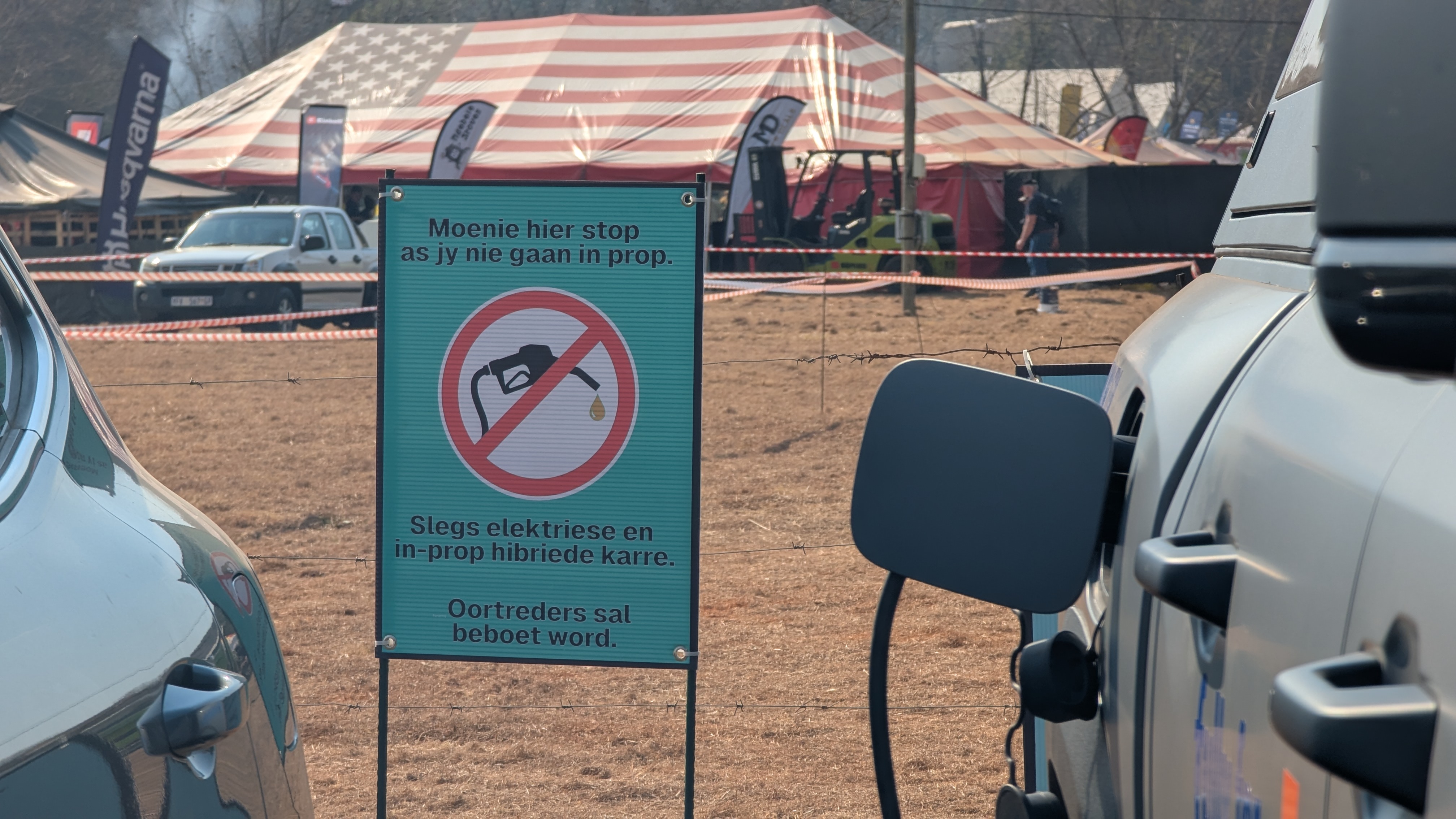
A festival field is not a residential complex, but the electrical problems can be similar.
- Ask for the supply measurement, not the breaker size. Ask your electrician for the open-circuit voltage and the voltage under load at the bays. If the voltage sags under a modest load, the feed sets your limit, not the chargers.
- Ask whether the site budget can be changed live. A limit you can only change at installation is a limit you will never fix.
- Insist on OCPP. A charger that speaks OCPP can be told to use less current. A charger that does not can only be switched off.
- Ask what the platform says at 03:00 in the morning when a car has been plugged in for six hours and has taken nothing. Any system can show a green light.
The Power of Chargesplit, in your property's hands
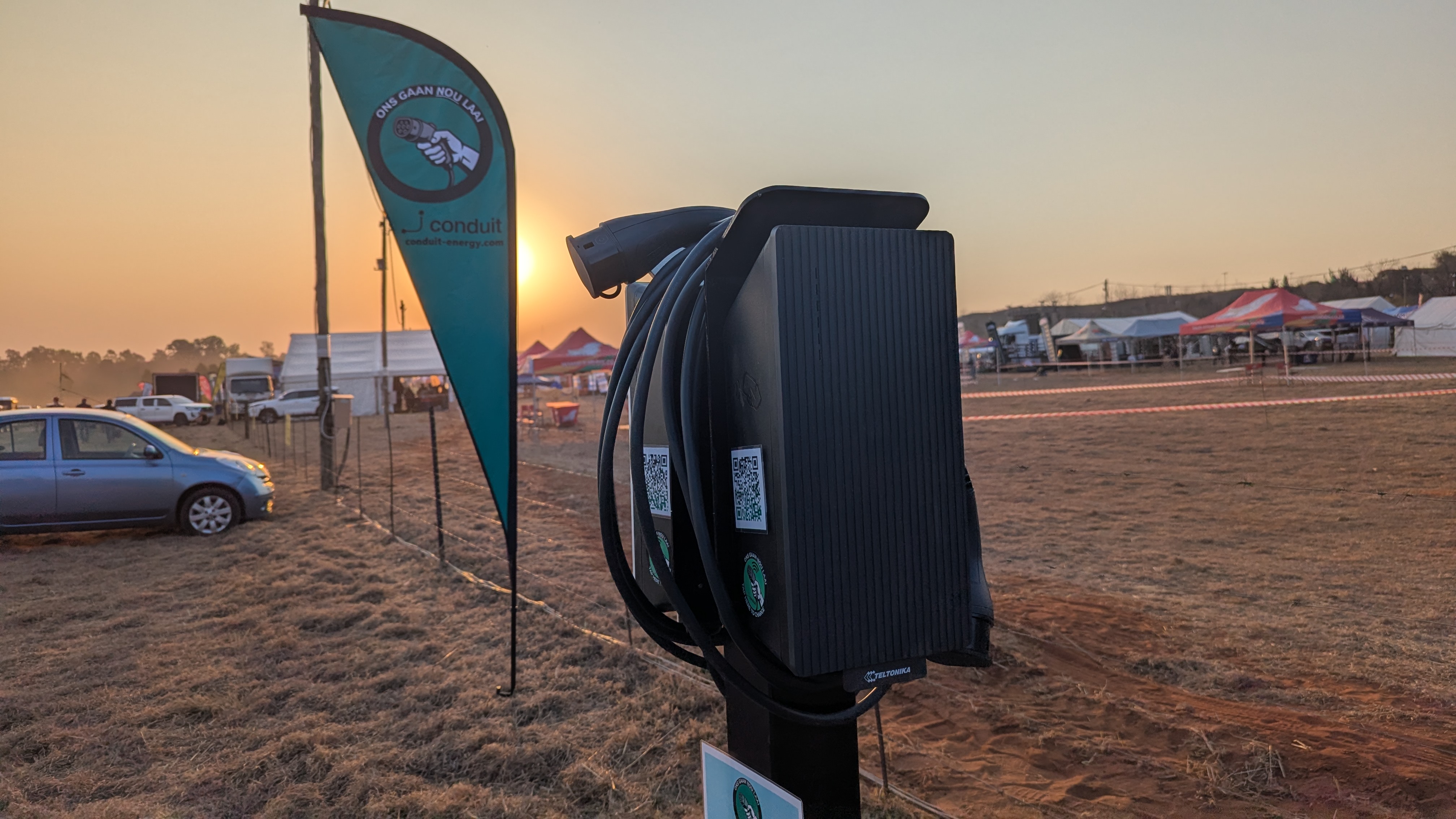
Conduit supplies, installs and manages EV charging for South African complexes, estates, office parks and retail sites.
ChargeSplit shares one supply across many chargers, meters every session, and bills each driver individually, either through a prepaid app or on a bill sent to the managing agent for the levy account.
It works with any charger that speaks OCPP, including chargers you already own.
None of the capabilities in this article are roadmap items. They ran on real hardware, in a field, for three days, on a challenging supply.
Contact Conduit Energy if you want your complex or estate to add chargers without adding a supply upgrade.
E-mail: info@conduit-energy.com
WhatsApp or call: 061 617 2373